Press-Fit Systems for Gas and Water Applications: Understanding the Differences and the Importance of EN 1254-7:2021 Certification
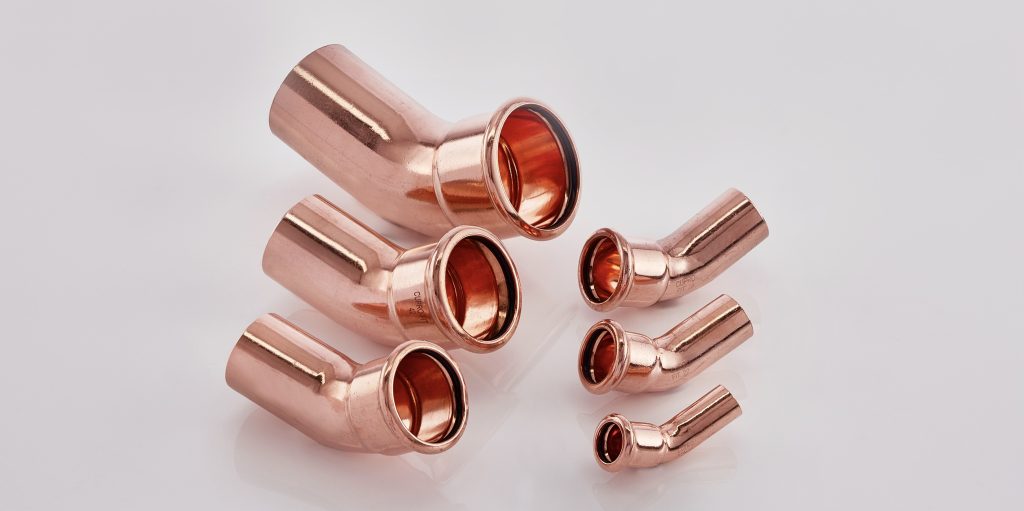
Press-fit technology has transformed the installation of pipework systems across the plumbing, heating, and gas sectors. Offering a fast, reliable, and flame-free connection method, press fittings have become the preferred choice for many professional installers. However, while the installation method may appear similar, there are important differences between press fittings designed for water applications and those certified for gas systems.
Understanding these differences is essential for ensuring safety, compliance, and long-term performance.
Water Press Fittings
Press fittings used for potable water, heating, cooling, and general plumbing systems are designed to create a permanent mechanical connection between the fitting and pipe. The sealing element is typically manufactured from EPDM (Ethylene Propylene Diene Monomer) rubber, which offers excellent resistance to water, heat, and ageing.
Water press systems are commonly used in:
- Domestic hot and cold water installations
- Commercial plumbing systems
- Heating and cooling networks
- Chilled water applications
- Compressed air systems (where approved)
The primary focus of water fittings is maintaining a leak-free seal while ensuring compliance with drinking water regulations and standards such as WRAS approval in the UK.
Gas Press Fittings
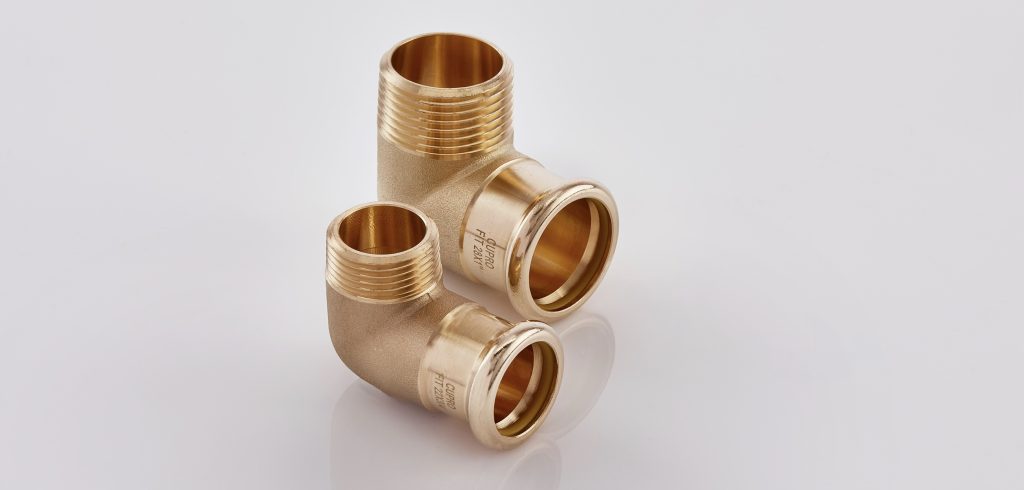
Gas installations demand an additional level of safety due to the risks associated with natural gas and LPG systems. While gas press fittings may look similar to their water counterparts, they are manufactured and tested to meet specific performance requirements which is BSI Kitemark Approved for high temperature.
The most significant difference is the sealing element. Gas-approved press fittings typically utilise HNBR (Hydrogenated Nitrile Butadiene Rubber) seals, which are specifically engineered to withstand exposure to gas and hydrocarbons while maintaining long-term sealing performance.
Gas press fittings are commonly used in:
- Natural gas distribution systems
- LPG installations
- Commercial boiler installations
- Industrial gas pipework
- Plant room applications
To provide additional security during installation, many gas press fittings incorporate leak-before-press technology. This feature ensures that any fitting that has not been pressed will leak during pressure testing, allowing installers to quickly identify incomplete connections before the system is commissioned.
The Importance of EN 1254-7:2021
When selecting press fittings for gas applications, certification is critical. EN 1254-7:2021 is the European standard covering copper and copper alloy fittings with press ends for metallic tubes.
The standard specifies requirements for:
- Material composition
- Mechanical strength
- Pressure resistance
- Dimensional accuracy
- Seal performance
- Long-term durability
- Gas-tightness testing
Compliance with EN 1254-7:2021 demonstrates that a press fitting has been independently tested and verified for use within gas systems. For contractors, consultants, and building owners, this certification provides confidence that the installed system meets recognised European safety and performance standards.
Press-Tite gas-approved fittings are manufactured to meet the relevant requirements of EN 1254-7:2021, helping installers achieve compliant and reliable gas installations.
Advantages Over Traditional Soldering
For decades, soldering was the standard method of joining copper pipework. While effective, it presents several challenges on modern construction sites.
Press-fit technology offers numerous advantages:
Faster Installation
Pressing a fitting typically takes only a few seconds, significantly reducing installation time compared with cutting, cleaning, fluxing, heating, and soldering.
No Naked Flames
One of the greatest benefits is the elimination of hot works. Press-fit systems remove the need for blowtorches, reducing fire risks and often eliminating the requirement for costly hot work permits.
Consistent Quality
Modern press tools provide controlled and repeatable connections, helping reduce installation variability and improving quality assurance.
Reduced Downtime
Because systems can be tested immediately after installation, projects can be completed faster and commissioned sooner.
Advantages Over Plastic Pipe Systems
Plastic pipe systems continue to have their place in modern construction, but metal press-fit systems offer several key advantages.
Greater Mechanical Strength
Copper and stainless steel systems provide excellent resistance to impact, vibration, and mechanical damage.
Higher Temperature Resistance
Press-fit metal systems can operate reliably at temperatures that may exceed the limits of some plastic pipe materials.
Fire Performance
Metal pipework is non-combustible and does not contribute to fire load within a building.
Long-Term Durability
Properly installed press-fit systems offer exceptional service life with minimal maintenance requirements.
The Future of Safe Pipe Connections
Whether for water or gas applications, press-fit technology continues to gain market share due to its speed, safety, and reliability. By selecting certified products designed for their intended application, installers can deliver systems that meet both regulatory requirements and customer expectations.
For gas installations in particular, choosing fittings certified to EN 1254-7:2021 provides the assurance that safety, performance, and compliance remain at the forefront of every connection.